01
Carbon programs
Measure relevant water and seabed conditions around carbon removal, storage, or habitat projects over the verification period.

Application / Environmental monitoring and MRV
Aphotic leaves mission-specific sensors, compute, storage, and underwater communication in place for long-duration ocean monitoring, event detection, and measurement programs.
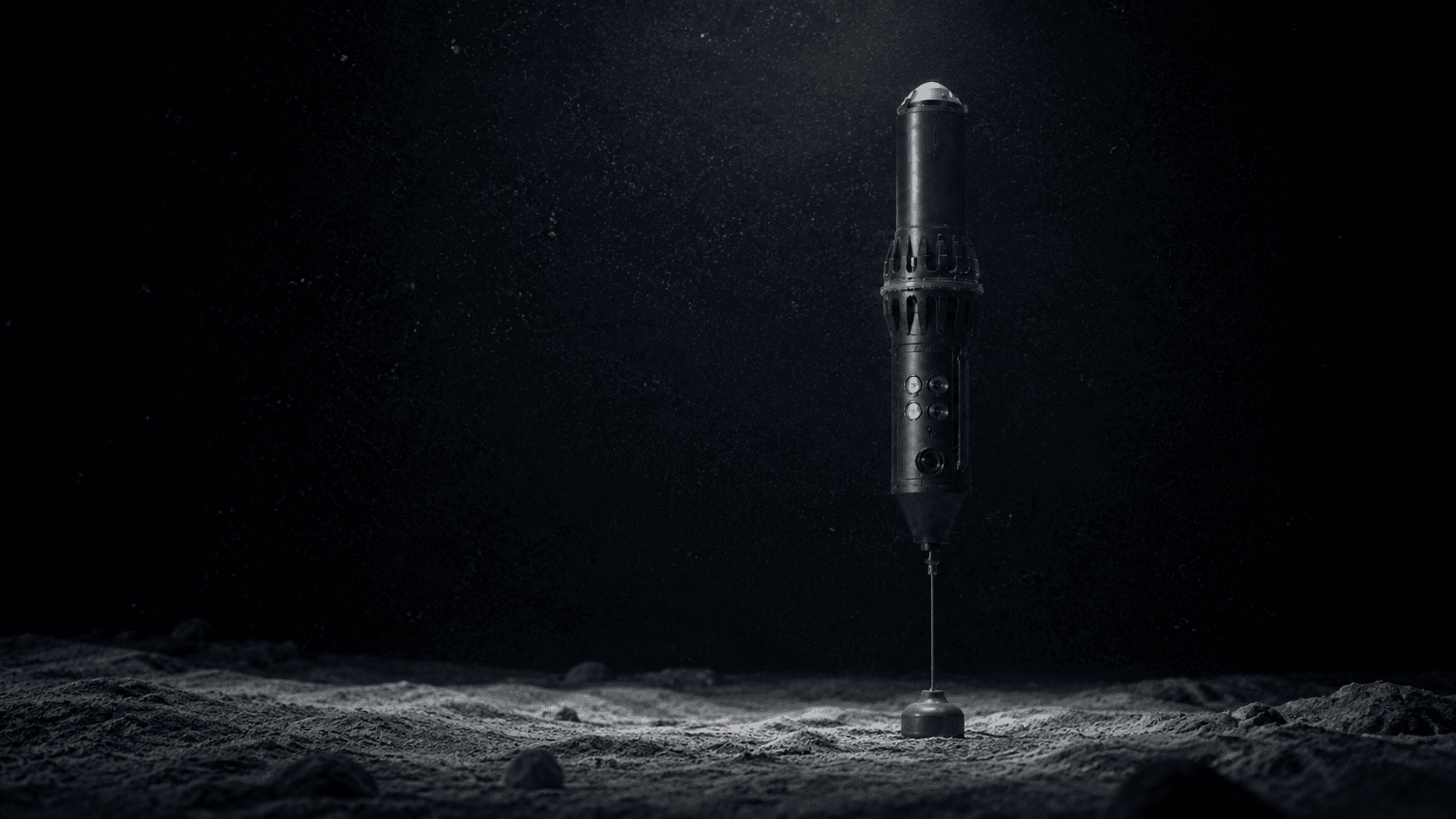
Many environmental programs depend on measurements collected during short campaigns even though the process being studied changes over seasons or years. Argus nodes remain on the seafloor for 12 to 24 months, creating a continuous record of baseline conditions, transient events, seasonal change, and long-term response from the same locations.
Each node can carry the chemical, optical, acoustic, and physical sensors required by the program. On-edge models manage energy and sampling, identify meaningful changes, compress results for limited underwater links, and preserve detailed data locally. Nexus manages mission configuration, live system health, data provenance, spatial comparison, and the relationship between measurements collected across the field.
01
Measure relevant water and seabed conditions around carbon removal, storage, or habitat projects over the verification period.
02
Collect continuous or event-driven measurements of oxygen, temperature, salinity, turbidity, and chemistry.
03
Pair acoustic and optical observations with physical measurements to understand how biological communities change.
04
Maintain time-stamped data, mission configuration, calibration records, and system health information for review.
System approach
The same network can establish a baseline, observe project activity, and continue measuring response after vessels and installation teams leave.
Relevant systems
Argus A, B, and X share a common seabed sensing, edge-processing, storage, power-management, and acoustic-communications architecture. Atlas services the deployed fleet, while Nexus provides the operating picture, planning, alerts, and tasking above it.