
Systems
One Seabed Node Architecture, Packaged for Different Depths
Argus A, B, and X perform the same core job: descend to the seafloor, remain there for long-duration sensing, process data on the edge, and communicate acoustically with nodes and underwater vehicles. Their principal differences are size, pressure housing, and depth rating.
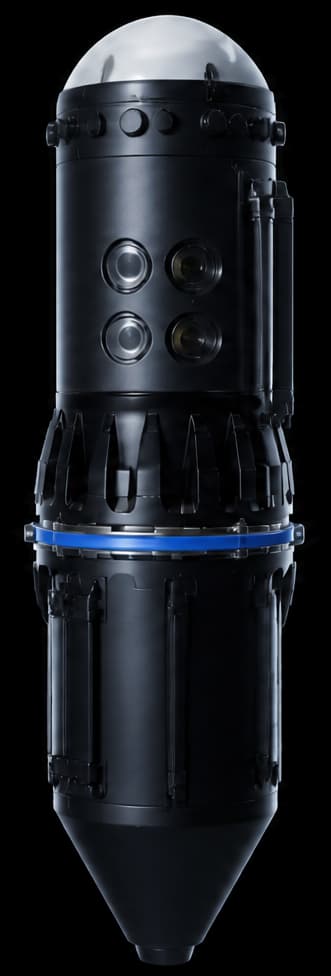
Coastal and shelf / 2027 delivery
Argus A
The entry point into the Argus family: a long-endurance seabed node built for coastal and continental-shelf missions.
- Deployment
- Seafloor first, with drop-weighted and non-drop-weighted configurations in development.
- Processing
- On-node inference, event selection, compression, and power-aware scheduling.
- Payloads
- Mission-configurable acoustic, optical, chemical, and physical sensor stacks.
- Communication
- Acoustic node-to-node and node-to-vehicle messaging, visible in Nexus.
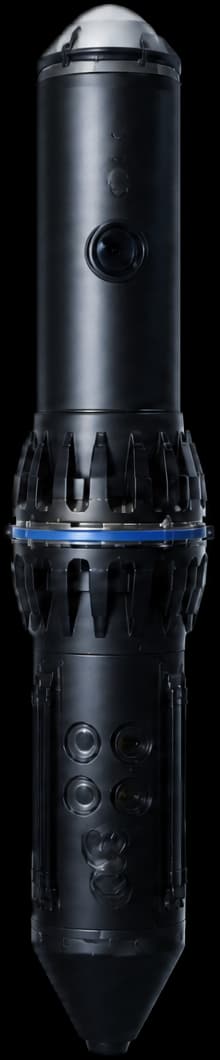
Deep water / 2027 delivery
Argus B
A deeper-rated Argus configuration that carries the common sensor, compute, power-management, and acoustic networking architecture to the seafloor.
- Deployment
- Seafloor first, with optional moored, attached, or midwater placement.
- Processing
- On-node inference, event selection, compression, and power-aware scheduling.
- Payloads
- Mission-configurable acoustic, optical, oceanographic, chemical, and physical sensors.
- Communication
- Long-range low-data-rate node networking and short-range vehicle communication.
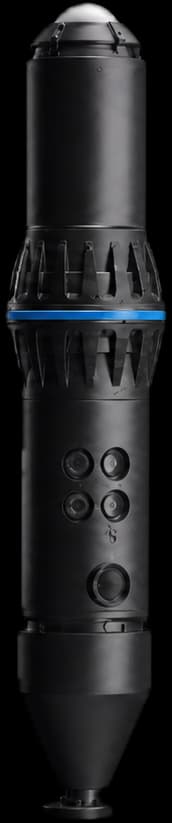
6,000 m full ocean depth / 2027 delivery
Argus X
The full-ocean-depth member of the family, built to place the same long-endurance sensing and communication capability on the abyssal seafloor.
- Deployment
- Seafloor first, with alternative placement available by mission.
- Processing
- Detection, classification, event selection, and power-aware scheduling at depth.
- Payloads
- Mission-configurable acoustic, optical, chemical, environmental, and geophysical sensors.
- Communication
- Acoustic node-to-node and node-to-vehicle messaging, visible in Nexus.