01
Landing security
Observe vessel, diver, vehicle, and environmental activity near cable approaches and protected landing areas.

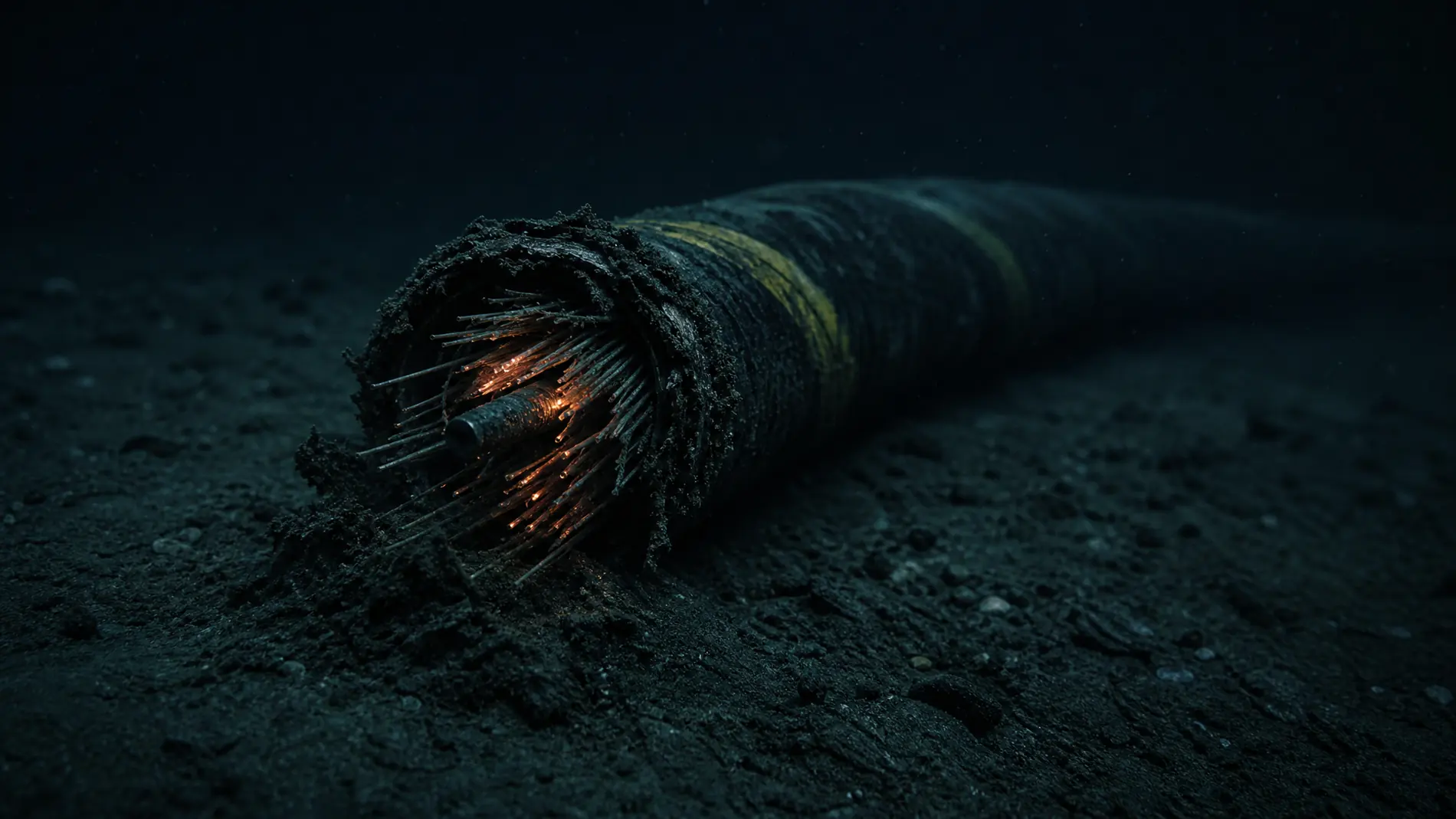
Application / Subsea cable monitoring
Argus nodes can monitor cable routes, repeaters, and landings for nearby activity, physical change, and environmental conditions between scheduled inspections.
Cable operators and security organizations need to understand what is happening around a route before an outage or visible damage occurs. Periodic surveys provide detailed snapshots, but they do not show the activity and environmental change that happened between visits.
Aphotic can place sensing nodes at high-consequence sections of a route, near repeaters, and at landings. On-node processing filters continuous acoustic, optical, and environmental measurements into events that can be reviewed in Nexus and used to prioritize a closer inspection.
01
Observe vessel, diver, vehicle, and environmental activity near cable approaches and protected landing areas.
02
Create a distributed watch across selected high-risk or difficult-to-access sections of a cable corridor.
03
Track currents, sediment movement, acoustic changes, and visual condition around exposed or vulnerable sections.
04
Direct a vehicle to a specific event or change instead of surveying the entire route on every mission.
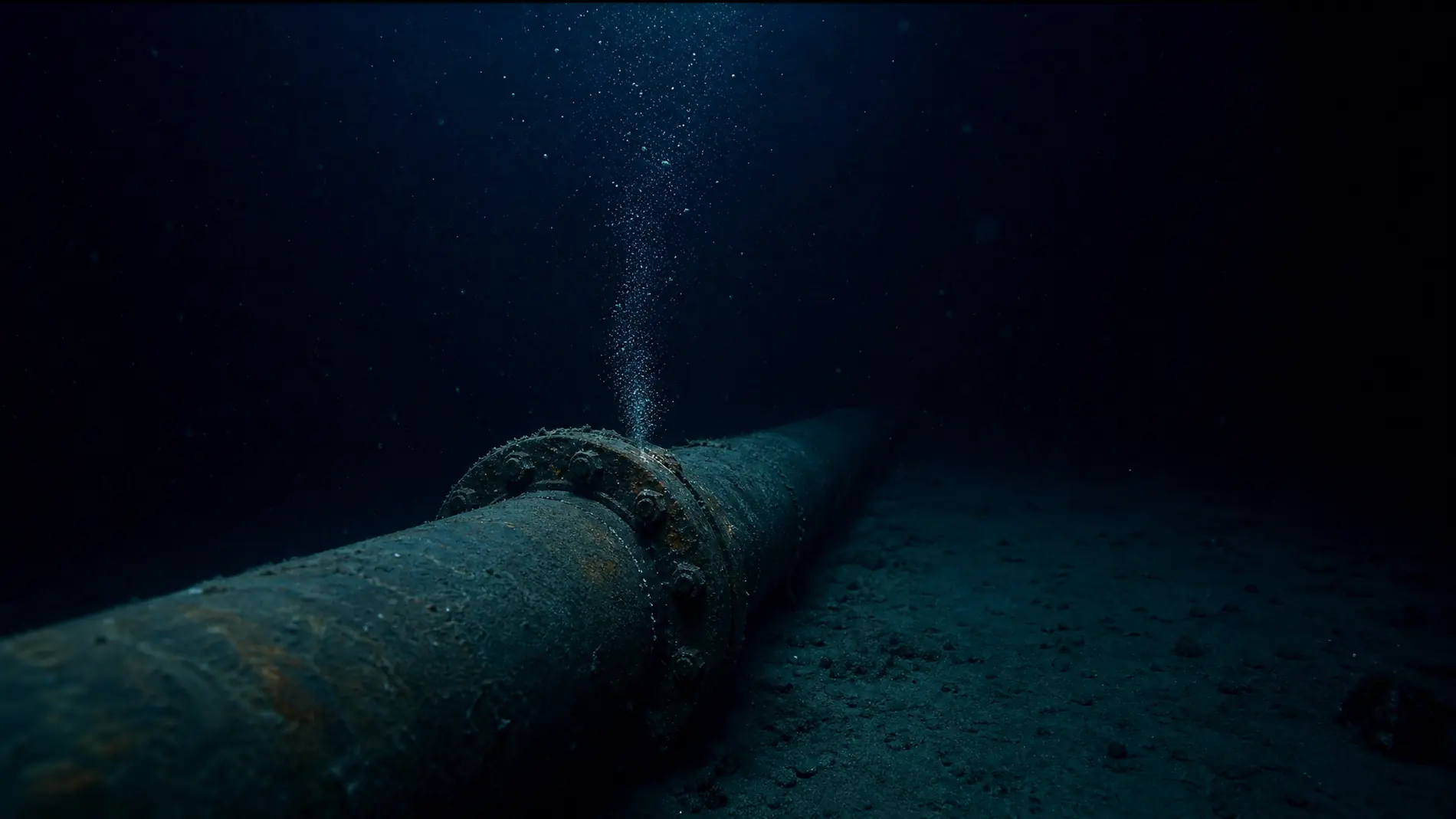
System approach
Persistent observations provide context for alarms and inspections, allowing operators to distinguish a short-lived environmental event from activity that could threaten the cable.
Relevant systems
Argus A, B, and X share a common seabed sensing, edge-processing, storage, power-management, and acoustic-communications architecture. Atlas services the deployed fleet, while Nexus provides the operating picture, planning, alerts, and tasking above it.